Wool is valued in sleep textiles for its natural breathability, moisture management, and temperature regulation. This material helps maintain a comfortable microclimate by absorbing excess moisture and releasing it when humidity levels drop. For sleepers, wool contributes to a dry, evenly cooled or warmed environment, reducing nighttime disturbances.
In bedding contexts, wool fibers provide durability and resilience, supporting long-term loft and shape. The Insulation properties of wool help stabilize body temperature across varying seasons, while its softness and loftiness contribute to a cozy sleep surface. Understanding fiber structure clarifies why wool bedding feels both cozy and breathable.
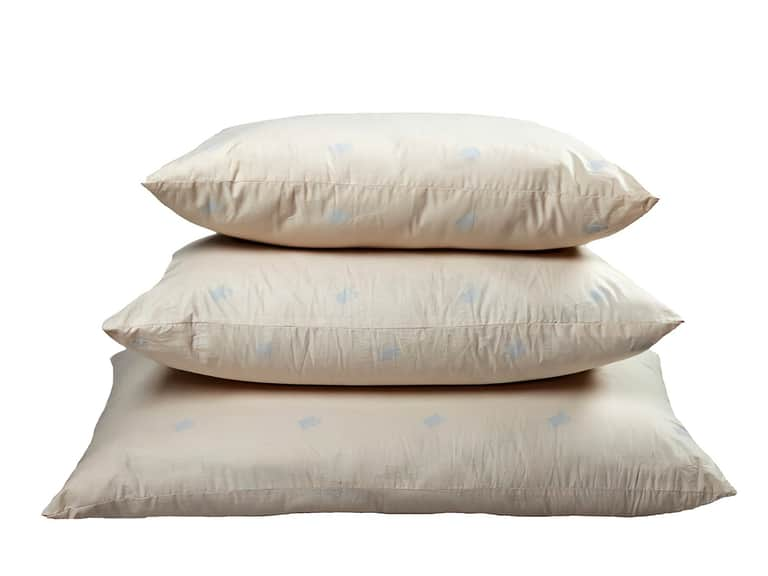
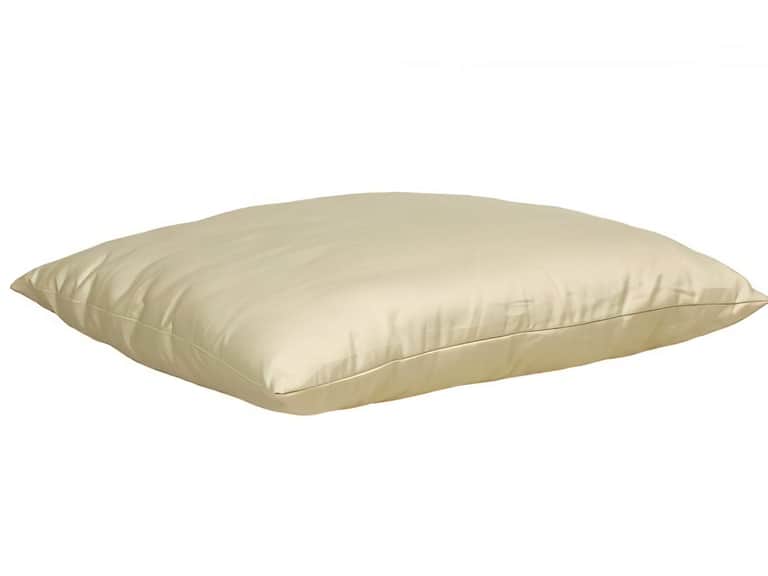
Narratives around pillows featuring wool often highlight comfort, support, and hypoallergenic potential. The Sleep and Beyond myWool Pillow exemplifies how wool fill adapts to head and neck contours, delivering restful alignment without excessive firmness. Benefits include moisture wicking, temperature balance, and a gentle, quiet fill that maintains shape.
For nursery applications, wool offers a breathable, flame-resistant natural option suitable for infant sleep environments. Within this category, wool-based sheets and bedding accessories contribute to a stable sleep climate and reduce overheating risks. The natural fibers also resist dust and reduce the accumulation of irritants, supporting gentle nighttime rest.
Key product features across wool bedding include natural temperature regulation, moisture management, loft retention, and durable fiber resilience. Specific items such as the Sleep and Beyond myWool Pillow demonstrate how wool fills combine with fabric shells to create balanced support and comfort, aligning with broader goals of safe, hygienic sleep surfaces.
 Bedding