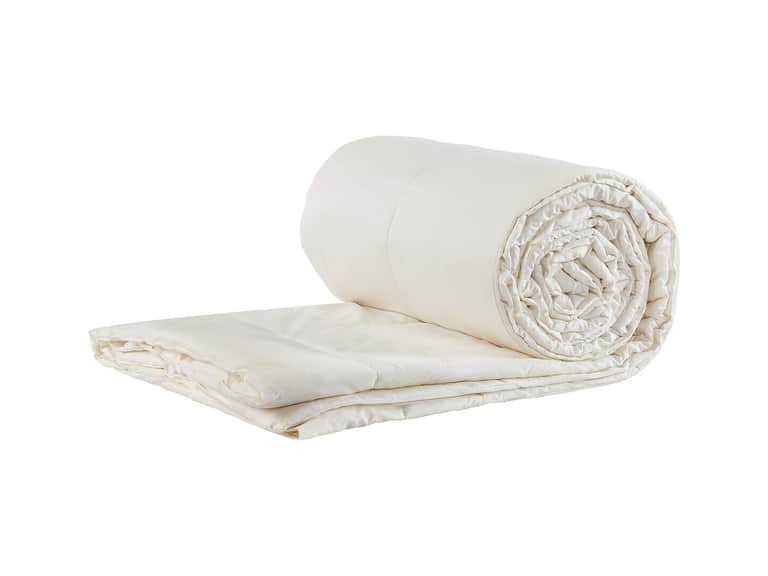
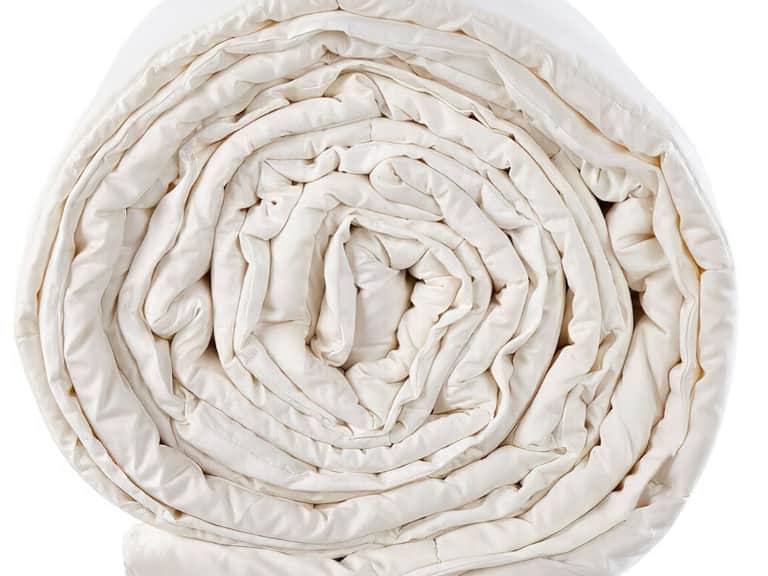
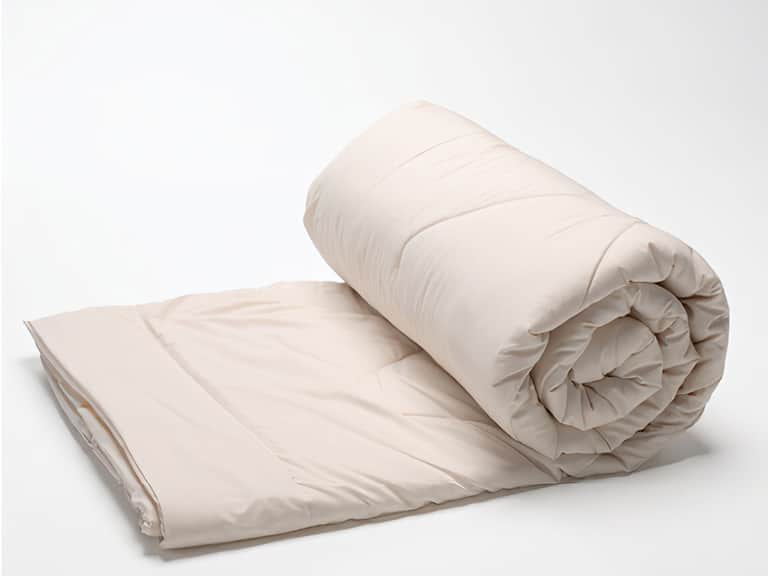
Comforters are a cornerstone of warm, cocooning bedding that pairs insulation with breathability to regulate sleeper warmth. This category emphasizes materials, fill power, and construction techniques essential for diverse climates and preferences. Understanding fill types, thread counts, and stitching patterns helps compare options like lightweight summer variants and heavier winter models for year-round comfort.
Key features often include fill material composition (down, down-alternative, or natural fibers), warmth ratings, and shell fabrics that affect loft and durability. For example, a high-fill power down-alternative model can deliver generous loft without irritants, while cotton shells offer softness and resilience. These elements influence how a comforter performs across seasons and activities.
The Sleep and Beyond and myComforter lines illustrate how design choices impact usability, including weight distribution, corner construction, and enclosure closures. Functional benefits include reduced cold spots, improved loft retention after washing, and easier handling for daily use. Users can evaluate warmth, ease of care, and longevity when selecting a suitable comforter.
When selecting comforters, it's important to consider compatibility with other bedding such as sheets, pillows, and nursery items. Hypoallergenic options and breathable fabrics support sensitive sleepers, while moisture-wicking fills help regulate temperature. This educational overview highlights how material science and engineering enhance sleep quality and overall comfort.
Understanding practical applications—from nursery environments to adult bedrooms—clarifies how different comforters meet distinct needs. Features like allergy-friendly finishes, machine-washable care, and durable corner ties contribute to reliable performance. By examining product names and their specific benefits, readers can identify comforters that align with personal sleep goals and living spaces.
 Bedding